Hrvatska pošta



Paket24
Saznaj sve što te zanima o usluzi brze, brze dostave

zutiklik.hr
www.zutiklik.hr - mjesto drukčije kupnje!

Moja pošta
Program vjernosti Moja pošta

epostshop.hr
Online kupnja svih filtelističkih proizvoda

web-brzojav.posta.hr
Pošaljite web brzojav online!

eRačun
Uz eRačun šaljite račune elektronički
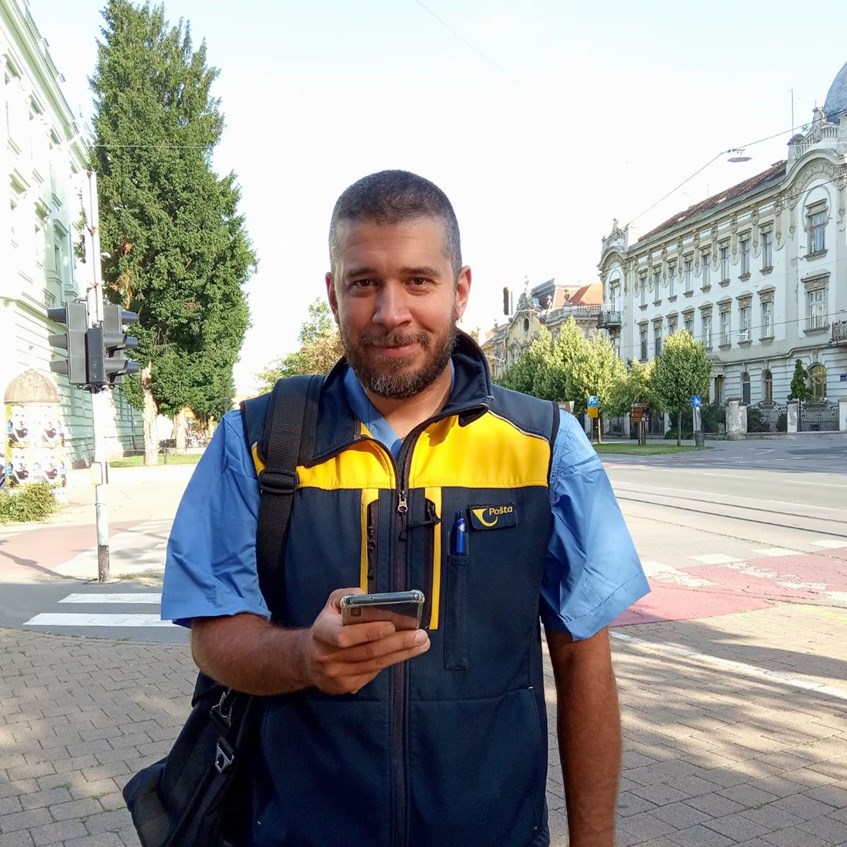
Karijera u Pošti

S obzirom na to da većinu potrebnih radnih mjesta Hrvatska pošta popunjava iz svoje baze potencijalnih kandidata, svima koji žele postati dio velikoga poštanskog tima preporučujemo da predaju svoj životopis online
Saznajte više-
 uvećanja i dodatci na plaću
 -
 godišnja nagrada
 -
 MultiSport kartica, PassSport kartica
 -
 edukacije
 -
 razvoj vještina
 -
 plaćeni dopust za darivatelje krvi
-
 sigurnost radnog mjesta
 -
 redovita primanja
 -
 prigodne nagrade
 -
 plaćeni dopust
 -
 sistematski i zdravstveni pregledi
 -
 pomoć samohranim roditeljima

Poslovni korisnici
Surađujemo s brojnim domaćim i međunarodnim tvrtkama koje su prepoznale naše iskustvo i kapacitete. Poslovnim partnerima nudimo kompletno logističko rješenje koje uključuje najmoderniju poštansku tehnologiju i održivu dostavu s najvećim voznim parkom električnih vozila u Hrvatskoj.
Saznajte višeAktualnosti
13.10.2025.
130 godina zgrade Hrvatskoga narodnog kazališta u Zagrebu
Novo izdanje poštanske marke posvećeno je velikom jubileju nacionalne kazališne kuće
06.10.2025.
Podsjetnik za podnošenje zahtjeva za postavljanje kasica za donaciju u poštanskim uredima za 2026.
Zahtjev možete predati najkasnije do 31.listopada 2025.
22.09.2025.
Završen natječaj za likovna/grafička rješenja prigodnih poštanskih maraka RH za 2026. godinu
Donesena odluka o odabiru radova za ukupno 11 prigodnih izdanja maraka.
04.09.2025.
Nova poštanska marka u čast glazbene tradicije kajkavskih krajeva
Novo izdanje posvećeno je Festivalu kajkavskih popevki „Krapina“
27.08.2025.